







Big Bass Bonanza RTP Pragmatic Play in 2026
Learn the rules, volatility, and session limits in Big Bass Bonanza to play in Poland calmly and mindfully as an adult in 2026.
How to Read Big Bass Bonanza RTP and Volatility in a Session
Imagine you launch the game “for a moment,” because you have a break and want to quickly feel the atmosphere, but after a few minutes you start nervously looking for answers: “Is today a good day?”. Such thinking often appears when a player tries to draw conclusions from short fragments. In games of chance, this is a trap—a single session is too short to assess long-term parameters.
A better approach is to treat the return rate as context and volatility as a description of risk style. In practice, this means one thing: you don’t plan the outcome, you plan the session flow. You decide how long you will play, at what stake, and when you will take a break. If during the game you feel the tempo is rising, it is not a signal that “you need to speed up,” but rather that it is worthwhile to return to your plan.
Volatility operates like waves. Sometimes, more frequent but smaller wins occur; at other times, you go through a longer stretch without any concrete results, and many players then start changing their stake “to speed things up.” Imagine that after a few empty rounds you raise your stake and tell yourself it is only for a moment. Usually, pressure begins precisely here. It is wiser to maintain a constant stake within a single time block, and make any changes only after a break, when the decision is made calmly.
In 2026, especially on mobile devices, controlling tempo is crucial. Set a reminder for a break, play in short blocks, and stick to your session budget. If the platform is available in Poland, describe it as a solution for adults, operating within applicable regulations and offering responsible gambling tools. This is a practical safeguard, not an ornament.
All promotional incentive structure is clearly stated in writing and/or via electronic means in an easily understood manner. All codes are accompanied by an explanation of what the code is for, who is eligible to use the code, and how it should be used. As such, players are less likely to be confused about what is required of them in order to receive a reward and how the reward will be applied after receiving it. The promotional incentives provided to participants provide them with time to become familiar with the gaming system's mechanics, their interface, and progress, before deciding how deeply they wish to become involved with this platform. Therefore, players are encouraged to participate in an informed manner, rather than being pressured or tempted to act quickly.
Big Bass Bonanza Review: What to Check Before Playing
Imagine reading reviews and seeing two extremes: some people thrilled, others annoyed. One person played for five minutes without a plan, while another played several rounds with breaks and a budget limit. The same title, yet completely different experiences. That’s why a review is best built on concrete aspects you can verify yourself, rather than on others’ emotions.
Start with a simple test: is the interface readable on mobile, are the bet and balance clearly visible without squinting at the screen, and can you easily find feature descriptions? Then check the pace—do you play manually, use auto spins (if available), and can you pause the game with one action? If you feel urgency from the very beginning, that’s a sign you need to shorten your session time or play more slowly—not try to “force a better streak.”
In practice, a good review for a player in Poland should answer: Does this title suit my style? Do I need frequent small wins, or do I prefer a calmer pace? And can I stick to my budget? This may sound simple, but in 2026, exactly these criteria distinguish a successful session from a draining one.
Also pay attention to your account flow: registration, limit settings, deposits, and withdrawals. Imagine finishing a session and wanting to request a withdrawal—but missing consistent profile data, and stress begins. This can be avoided if you set up your account in advance and avoid frantic changes mid-operation. For adult users, this is standard hygiene—just like taking breaks during gameplay.
Big Bass Bonanza Slot Review: Mechanics and Game Pace
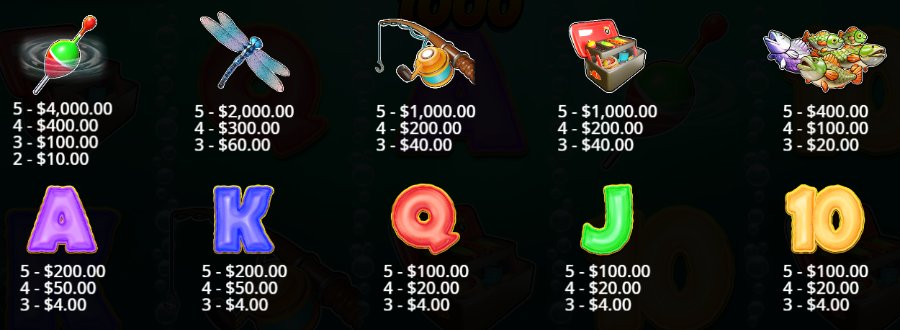
Imagine walking in for the first time and immediately raising your bet because “it’ll be more exciting that way.” Soon, you won’t know exactly what triggered a specific effect, or why one round was thrilling while the next wasn’t. With such titles, it’s better to start calmly: a short test, a fixed bet, understanding the symbols, and only then a longer session.
Treat mechanics like reading an assembly diagram: there are regular rounds, moments that build tension, and special features that can shift your entire session experience. The most important thing is to understand what you see on screen—and why. If something is unclear, return to the game description instead of guessing—guessing usually leads to rushing.
Also remember a simple fact: in games of chance, you don’t control the outcome—you control your behavior. If you start speeding up mid-session, changing bets based on emotions, or negotiating “just three more rounds,” that’s a sign your session plan has slipped. The simplest fix here: take a break, reset, start a new block, or end the session.
Special Rounds and Their Role in Budgeting
Imagine hitting a flashy sequence and immediately thinking: “I’ll stay longer, because now it has to keep going.” This is a classic moment when emotions try to dictate your budget. It’s better to treat special rounds as a bonus to gameplay—not a reason to extend your session.
If a game is “putting on a show” at a given moment, stick to your plan: don’t raise your bet mid-block, and don’t speed up the pace just because something interesting happened. In practice, consistency delivers the greatest comfort. Set a time block, play, take a break, and only after the break decide whether to play another block. This builds control—you’re not chasing thrills.
Bet, Pace, and Player Micro-Decisions
Imagine playing on your phone in line while someone texts you. You reply with one eye, tap with the other, and before long you can’t recall whether your bet stayed the same as at the start. A small thing—but one that can blow your budget. That’s why, in practice, micro-decisions matter most: a fixed bet, a break every 10–15 minutes, and no changes under emotional influence.
Pace is deceptive. On a phone, it’s easy to speed up, since everything is under your thumbs. If you notice you’re clicking faster than at the start, pause the block. Take a break. Only resume once your decision is calm. That’s not “missing an opportunity”—that’s ensuring entertainment stays entertainment for an adult.
Demo Mode as a Habit Test
Demo mode is the best place to test ergonomics and your own reactions without outcome pressure. Set a timer, choose one bet, and see if you can end the test exactly on time. If you can’t manage it in demo, real-money sessions will be even harder.
Auto Spins and Emergency Pause
Auto spins can ease rhythm, but they can also steal your sense of time. Before using them, ensure you know how to stop them instantly. If you tend toward autopilot, manual play combined with scheduled breaks is safer than handing tempo control over to an auto feature.
How to Increase Your Chances of a Calm Session
Imagine walking into a game thinking: “Today I must win something.” It sounds harmless, but immediately raises pressure, and pressure drives poor decisions: raising bets, extending sessions, chasing streaks. Instead, set a process goal: play a set time, within a set budget, with scheduled breaks. This genuinely increases your odds of finishing a session without frustration.
In practice, “better play” doesn’t mean a magic method. It means a plan: fixed bet per block, time limit, budget limit, and a clear stop point. If the platform is available in Poland, use adult responsible-gaming tools—breaks, limits, longer-reset options. This is the standard in 2026—and it works better than promises.
Betting Plan from the Start and Safe Adjustments
Imagine after a few empty rounds telling yourself: “I’ll just raise it a little to check faster.” In most cases, this only burns the budget faster—not speeds anything up. Safer is choosing a bet that lasts the entire session without pressure.
Pick one bet for the block and don’t change it mid-session. If you want to change, only do so after a break—and only if you have a clear reason (e.g., shortening your block while keeping the budget intact). Simple, but effective—it cuts impulsive “reactions to streaks.”
Time Limits and Un negotiable Breaks
Imagine planning to play for ten minutes, but then thinking: “Just three more rounds.” After three rounds, three more follow—and suddenly an hour has passed. A timer solves this without discussion.
Set a time limit before starting, and treat it as an immovable boundary. Add reminders to take a break every 10–15 minutes. During the break, put your phone down, get some fresh air, and only then decide whether to play another block. This is the most practical form of control for adult players in 2026.
Control Element | What to Set Before Starting | Why Do This | Signal That It’s Time to Pause |
Session Budget | Fixed amount per block | Removes precision pressure | The urge to “just add a little more” |
Bet size | Single, unchanging within a block | Stabilizes risk | Jumping the bet size based on emotions |
Time | Timer for 20–40 minutes | Stops autopilot | “Just three more rounds” on loop |
Breaks | Every 10–15 minutes | Resets tension | Faster clicking than at the start |
Decision on Continuation | Only after a break | Separates emotions from choice | Negotiating during gameplay |
When to Stop, Even If “Almost There”
Imagine feeling that “something’s about to happen” because several rounds passed without results. This is a classic trap: randomness has no memory, and your intuition is often just an emotion. Best to stop according to plan—either by time or budget.
If you want to continue, do so as a new block: break, decision, start from zero. This small change works because it severs the “just one more” spiral. In 2026, especially in mobile play, such structures matter more than attempts to predict outcomes.

Bankroll Management and Strategic Approach
Imagine feeling great after one successful sequence, only to suddenly want to “squeeze more out of the session.” At that point, bankroll ceases to be a plan and becomes an emotion. The best strategy in games of chance is intentionally boring: it protects budget, time, and your mental state—and that’s precisely why it works.
Strategic approach isn’t about promises of winning. It’s about creating conditions where you don’t make nervous decisions. Set rules in advance, stick to them, and evaluate the session based on whether you followed the plan—not on what happened in the last five rounds.
Stop-Loss and Stop-Win in Practice—No Magic Involved
Imagine wanting to “just go a bit longer” after a good stretch because it feels wasteful to stop, or wanting to “reclaim losses” after a poor stretch. Both impulses extend session duration. Here, a simple pair of boundaries helps: a loss threshold and a win threshold per session.
Define them before playing. When either threshold is reached, end the block—no discussion. This isn’t artificial discipline; it’s protection against emotional impulses. For adult players in Poland, this is a practical tool for responsible gambling, especially when playing on mobile.
Why Variance Requires a Longer Perspective
Imagine expecting smooth, consistent gameplay, then hitting stretches where little happens. Temptation arises to speed up or raise bets. Instead, accept that some sessions will be “quiet”—and this doesn’t mean you’re doing anything wrong.
If the game is more volatile, plan shorter blocks and more frequent breaks. That way, you avoid prolonged tension and instead control your exposure to risk. In practice, this is more mature than trying to “wait it out” until the game shifts.
Mobile Play and Autopilot: How to Protect Yourself
Imagine playing while watching a series and suddenly not remembering how long ago the time elapsed. That’s not “lack of willpower”—it’s autopilot. Mobile play in 2026 is fast and convenient, thus demanding safeguards: timers, breaks, fixed bet sizes.
If the platform offers the option to set limits, enable them immediately. Don’t defer this to later, because emotion usually arrives then. Protection lies in your boundaries functioning automatically.
Account Verification and Peace of Mind During Payments
Imagine wanting to withdraw funds after a session, but mid-process, you start changing your profile details “to speed things up.” This often results in extra security steps and increased stress. Best practice is consistency: prepare your account in advance, avoid mixing payment methods, and never update details mid-transaction.
In Poland, at platforms for adults, security procedures and verification are standard. Treat them as protective measures—not obstacles. If an issue arises, report it specifically: step, message, last completed action. Clarity reduces processing time and protects you from the urge to “vent” through gambling.
Big Bass Bonanza in Poland: A Chaos-Free Start
Imagine having a free evening and wanting to play without later feeling everything just “happened on its own.” The best start is order: account, limits, budget—and only then gameplay. In 2026, this is the simplest formula for a calm session, especially in mobile gaming, where tempo easily escalates.
If the platform operates in Poland, describe it as a destination for adult users, operating within applicable regulations and offering control tools. Avoid big promises and focus on the concrete: time limits, deposit limits, breaks, support, and account security. When these elements are in place, Big Bass Bonanza becomes entertainment, not a stress test.
First-Session Plan in Three Steps
Imagine starting without a plan, then changing your bet size after ten minutes because “nothing’s working.” Instead, take three steps: set timer and budget, choose one fixed bet size for the entire block, then take a break before emotions can intensify.
After the break, decide whether to start another block or end. If ending, finish without guilt—it’s part of responsible adult entertainment. What matters most is walking away from the session feeling in control, not chasing.
FAQ
How to set a session budget so you don’t add more during play?
Best to select a single amount just for that session and treat it as an entertainment cost—not “fuel to recover losses.” Imagine after a losing stretch, thinking “I’ll just add a little more”—this is usually where the spiral begins. The block rule helps: play a set time, take a break, then decide on a possible next block. If the budget is exhausted, the session ends—no negotiations.
How to recognize that you're playing out of emotion, not for fun?
Impatience is often the giveaway: faster clicking, more frequent bet changes, and the 'just one more' thought returning every minute. Imagine catching yourself chasing a losing streak and wanting to 'recover'—that's a sign decisions are no longer calm. At such a moment, the best option is a screen-free break, followed by either resuming your plan or ending the session. If the pattern repeats, a longer pause works better than additional attempts.
How to play on mobile without falling into autopilot?
Set a timer for your session and activate break reminders, as mobile devices encourage fast pacing and distractions. Imagine playing while watching a show and suddenly not remembering how much time has passed—that's classic autopilot. Maintaining a fixed stake per session, scheduled breaks every 10–15 minutes, and deciding whether to continue only after the break helps regain control. This is especially important for adult players aiming to keep entertainment within healthy boundaries.
What to do when I feel pressured to increase my stake?
Stop the session and take a break before making a move. Imagine you want to raise your stake 'just for a moment' because you feel something must happen soon—that’s usually emotion, not strategy. It’s safer to return to a fixed session stake and evaluate the session post-break, rather than mid-tension. If pressure recurs frequently, shorten the session duration and set stricter deposit limits so decisions aren’t mood-dependent.
Why does withdrawal sometimes require additional security steps?
Security procedures for adult users are standard and protect both your account and funds. Often, the process gets prolonged due to chaos: profile data corrections during the process, mixing payment methods, or nervous retry attempts. Imagine trying to 'speed things up' by changing settings—this usually backfires. Best practice is to use consistent data, stick to one payment method, and submit withdrawal requests after session completion, without parallel modifications.
How to make breaks truly effective?
Breaks work best when planned—not forced. Set a reminder every 10–15 minutes, and during the break, put your phone aside, stand up, drink water, and refresh your mind. Imagine taking a break only when you’re already tense—then it becomes harder to end the session calmly. Regular breaks interrupt the 'just one more' impulse and help return to decisions with a clear, calm mindset.